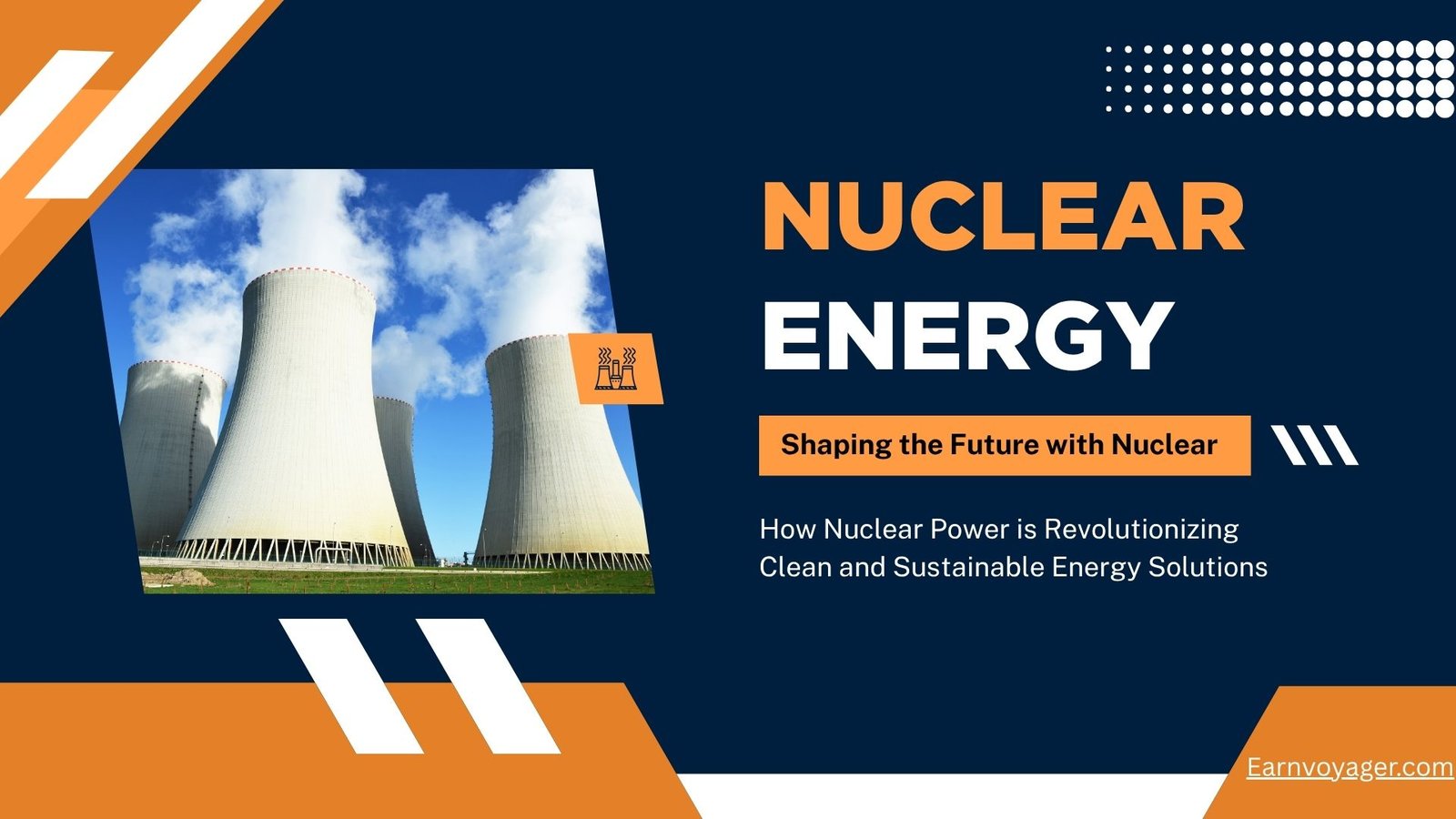
How To Invest in Nuclear Energy Nuclear energy has never been hotter, and investors are taking notice, helping to drive shares of nuclear-related equities and exchange-traded funds (ETFs) higher. The industry is expected to produce record levels of energy in 2025, and worldwide investment in nuclear power has grown rapidly over the past four years, at a compound annual growth rate of 14%. That’s up from 1% before 2020.
This rise owes more to the vast power needs of AI and data centers than to climate goals.
The Nuclear Energy Market’s Critical Mass
The nuclear renaissance is not taking place in a vacuum. Data centers accounted for 4.4% of total U.S. power consumption in 2023, and this is expected to climb to roughly 12% by 2028. That predicted rise is driven by advances in AI, which demand vast quantities of reliable, 24/7 electricity.
How To Invest in Nuclear Energy Major IT corporations are establishing nuclear power purchase agreements in response. Meta Platforms, Inc. (META) has just signed an agreement with Constellation Energy to build a nuclear power plant in Illinois, joining Amazon.com Inc.
(AMZN), Alphabet Inc. (GOOGL), and Microsoft Corporation (MSFT) in similar moves. (Click on their market site for pricing and fundamentals on any shares featured on this page.
These are strategic choices in the AI race, not just sustainability moves. “Clean, reliable energy is necessary for our AI ambitions,” said Urvi Parekh, Meta’s head of global energy.
Core Holdings in Nuclear Energy
Nuclear Stocks
Cameco: The world’s No. 2 uranium producer gives the greatest direct exposure to improvements in nuclear fuel supply. Goldman Sachs Group Inc. (GS) initiated coverage of Cameco with a “buy” rating and a $65 price target in May 2025, representing an 11% upside. In addition to uranium mining, the corporation also holds a 49% interest in Westinghouse, giving investors exposure to reactor development.
Constellation Energy: Largest non-rate-regulated U.S. nuclear facility owner. Constellations can also respond more quickly to rising power costs and demand than rate-regulated utilities, which are limited in earnings by state regulators.
Nuclear ETFs for Diversified Exposure
Nuclear ETFs provide more diversification than single stocks:
Global X Uranium ETF (URA): 51 holdings and $3.6 billion in assets under management, giving investors broad exposure to uranium miners, nuclear component makers, and service providers. Cameco is the fund’s largest stake, accounting for around 25% of its assets.
Sprott Uranium Miners ETF (URNM): A focused fund holding 38 uranium mining stocks, with $1.7 billion in assets. Investments go to firms allocating at least 50% to uranium mining.
The Small Modular Reactor Revolution
Perhaps the largest wins are with small modular reactors, or SMRs. More than 80 SMR designs are under development, with prominent companies including NuScale Power (based in the US), Rolls-Royce Holdings PLC (RYCEY, based in the UK), and Rosatom (the Russian state nuclear energy firm, which controls more than 40% of the world’s uranium market and 17% of global reactor fuel). These smaller, factory-built reactors might be deployed more quickly and cheaply than typical big nuclear facilities.
How To Invest in Nuclear Energy
NuScale Power: The only firm with SMRs approved by the NRC, giving it a notable first-mover edge. NuScale aims to obtain NRC certification for its 77-megawatt reactors soon and reach cost parity with coal.
Oklo: The Open AI. The business says it hopes to put its first reactor online by 2027.
The Half-Life of Nuclear Investments
Nuclear investing isn’t without significant risks:
- Construction and development risk: Nuclear power plants have the greatest construction risk of any energy facility, with an average overrun of 102.5%. That risk carries over to SMR developers, most of whom still have to prove they can build and run their technologies economically.
- Heavily concentrated supply chain: Uranium production is heavily concentrated in 4 nations, with Kazakhstan accounting for 43%. Enrichment capacity is concentrated with just 4 suppliers.
- Nuclear projects face strict regulation and shifting political support, adding uncertainty.
The Bottom Line
Nuclear energy investment offers exposure to a sector undergoing enormous upheaval driven by rising AI energy needs, changing environmental legislation, and technological advances. Traditional utilities such as Constellation Energy offer reliable exposure to existing nuclear assets, uranium miners such as Cameco provide commodity-linked returns, while SMR developers such as NuScale and Oklo are the go-to alternatives for individuals seeking a greater risk-reward ratio.