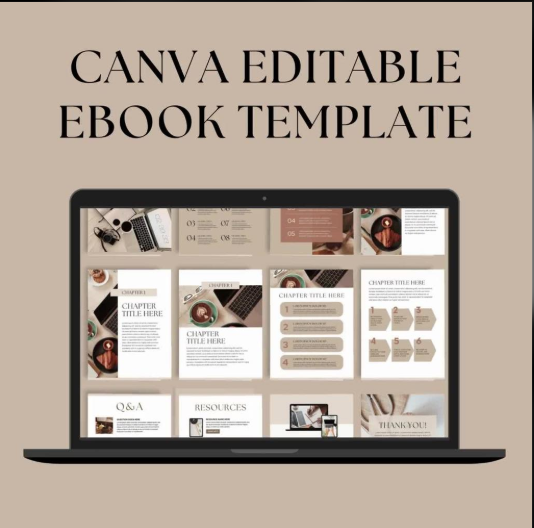
How to Make Passive Income With Digital Products: A Complete Guide for Beginners
Introduction
Making passive income with digital products has become an attractive online business opportunity for people who want to earn money by selling products through the internet. Unlike traditional businesses that may require physical inventory, storage, and shipping, digital products can often be created once and sold repeatedly to customers around the world.
Examples of digital products include ebooks, online courses, website templates, printable planners, budgeting spreadsheets, digital artwork, photography presets, and downloadable guides. These products can help customers solve problems, learn new skills, save time, or complete tasks more efficiently.
One of the biggest advantages of digital products is that delivery can be automated. After creating a product and setting up a sales system, customers may be able to purchase and download it without requiring you to handle every order manually.
However, passive income does not mean earning money without effort. Successful digital product businesses usually require research, product development, marketing, customer support, and regular improvements. The goal is to build a system that reduces the amount of work required for each additional sale.
In this guide, you will learn how digital products generate passive income, which products you can sell, how to create your first product, where to sell it, and how to build a sustainable online business.
What Are Digital Products?
Digital products are goods that are created, stored, and delivered electronically rather than as physical items.
Customers usually access them through a download link, an online account, a website, or a digital platform.
Unlike physical products, many digital products can be reproduced and delivered repeatedly without manufacturing a new physical item for every customer. However, they may still require hosting, software subscriptions, platform fees, updates, and customer support.
Common examples include:
- Ebooks and downloadable guides.
- Online courses and educational resources.
- Website themes and templates.
- Social media templates.
- Printable calendars and planners.
- Budgeting spreadsheets.
- Digital art and illustrations.
- Stock photographs and video footage.
- Music, sound effects, and audio files.
- Software, plugins, and digital tools.
For example, a person with knowledge of personal finance could create a budgeting spreadsheet that helps users track their income and expenses. After publishing the product on a suitable platform, the creator could sell copies to multiple customers.
The creator still needs to attract buyers and maintain the product, but the same digital file can serve many customers without being recreated for every sale.
How Does Passive Income From Digital Products Work?
The process generally involves creating a useful product, publishing it on a sales platform, attracting potential customers, and automating payment and delivery.
Here is how the business model works:
Step 1: Identify a problem. Find a challenge that a specific group of people wants to solve.
Step 2: Create a solution. Develop an ebook, template, course, spreadsheet, or other product that addresses the problem.
Step 3: Set a price. Choose a price that reflects the product’s value, quality, audience, and competing alternatives.
Step 4: Publish the product. Upload it to an appropriate marketplace or your own website.
Step 5: Promote the product. Use search engines, social media, email marketing, videos, or other relevant channels to attract buyers.
Step 6: Automate delivery. Configure the platform to deliver the product after successful payment.
Step 7: Improve the business. Monitor sales, collect customer feedback, update the product, and improve your marketing.
Once the system is operating, a customer may be able to purchase and receive the product while you are asleep, working, or doing something else. Nevertheless, sales are not guaranteed, and the business may require ongoing attention.
10 Digital Products You Can Sell for Passive Income
1. Ebooks and Downloadable Guides
Ebooks are among the most accessible digital products for beginners. If you understand a subject or can research it thoroughly, you can turn that knowledge into a helpful guide.
Popular ebook topics include:
- Personal finance and budgeting.
- Study skills and education.
- Cooking and meal planning.
- Fitness and general wellness.
- Digital marketing.
- Business development.
- Technology tutorials.
- Career development.
- Travel planning.
- Productivity and time management.
For example, an education blogger could create an ebook titled 30 Practical Strategies to Improve Your Study Habits. The ebook could include explanations, exercises, checklists, and practical examples.
You can create ebooks using word-processing software and export them as PDFs or other suitable formats.
To improve sales potential, choose a specific audience and solve a clear problem instead of producing a broad guide that offers little practical value.
2. Printable Planners and Journals
Printable products are downloadable files that customers can print at home or use in compatible digital applications.
Examples include daily planners, monthly calendars, habit trackers, meal planners, cleaning schedules, goal-setting worksheets, and study planners.
These products can appeal to customers who want simple tools to organize their personal or professional lives.
For instance, a student planner might include a weekly timetable, assignment tracker, examination calendar, and revision checklist.
You can create these products with design tools and sell them through suitable digital marketplaces or your own website.
Make sure the files are easy to print, properly formatted, and clear about their dimensions and intended use.
3. Social Media Templates
Businesses, content creators, and freelancers often need attractive social media graphics but may not have the time or skills to design every post themselves.
You can create editable templates for promotional posts, product announcements, educational carousels, business quotes, event flyers, and social media stories.
For example, you could create a pack of 30 editable templates for small businesses that want a consistent visual style across their social media pages.
Templates can be particularly useful when they are designed for a specific audience, such as restaurants, real estate agents, online educators, or beauty businesses.
Always check the licensing conditions of the design platform, fonts, photographs, and other elements you use. Customers should receive the rights and usage permissions you have actually obtained.
4. Budgeting Spreadsheets and Financial Templates
Budgeting tools can help people manage their finances, track expenses, set savings goals, and understand their spending habits.
Possible products include:
- Monthly budget spreadsheets.
- Expense trackers.
- Debt repayment planners.
- Savings goal calculators.
- Small-business income and expense trackers.
- Freelance invoice templates.
- Simple cash-flow planning tools.
A useful spreadsheet should be accurate, easy to use, and accompanied by instructions.
For example, a monthly budgeting spreadsheet could automatically calculate total income, total expenses, and the remaining balance after users enter their figures.
Test formulas carefully before selling the product. If it includes financial information, explain its limitations and avoid promising that it will guarantee savings or investment profits.
5. Online Courses
Online courses allow you to package knowledge into structured lessons that customers can access when convenient.
You could teach writing, graphic design, website creation, video editing, language learning, spreadsheet skills, or other subjects in which you have suitable expertise.
A course may contain recorded videos, downloadable worksheets, quizzes, and practical assignments.
Creating a course generally requires more work than creating a short ebook, but a comprehensive course may justify a higher price if it provides meaningful value.
Start with a specific learning outcome. For example, instead of creating a broad course about technology, you could teach beginners how to build and publish a simple website.
Keep lessons accurate and well organized, and update them when the subject changes.
6. Website Templates and Themes
Website templates help individuals and businesses create websites more efficiently.
You might develop templates for blogs, portfolios, small businesses, restaurants, personal brands, or online publications.
Depending on your technical skills, you could sell website layouts, themes, landing-page designs, reusable components, or complete starter websites.
A good template should be responsive, easy to customize, and accompanied by clear installation instructions.
You should also explain browser compatibility, software requirements, included features, and any limitations.
If you sell website themes or code, provide appropriate licensing terms and make sure you own or are authorized to distribute the included components.
7. Stock Photography and Digital Artwork
Photographers, illustrators, and digital artists can sell their work through stock marketplaces, design platforms, or their own online stores.
Potential products include business photographs, backgrounds, icons, illustrations, textures, presentation graphics, and digital wall art.
Businesses and creators may purchase these resources for websites, advertising, presentations, and other projects.
You can increase the usefulness of your portfolio by creating high-quality work that serves a clear purpose. For example, a collection of professional workspace photographs may appeal to bloggers and business owners.
Review the platform’s licensing requirements and obtain the necessary permissions for recognizable people, private property, trademarks, and other protected material when applicable.
8. Digital Marketing Resources
Businesses frequently need resources that simplify marketing and communication.
You could create content calendars, email templates, campaign planning worksheets, customer feedback forms, marketing checklists, or social media strategy guides.
For example, a digital marketing starter pack might include a monthly content calendar, post-planning worksheet, caption-writing guide, and performance-tracking spreadsheet.
The value of these products comes from helping customers save time and organize their work.
Avoid promising guaranteed traffic, sales, or viral success. Focus instead on providing practical tools that customers can adapt to their own needs.
9. Digital Audio Products
If you have relevant skills and the necessary rights, you can create and sell audio products such as original music, sound effects, audio loops, meditation recordings, or royalty-licensed sound packs.
Potential customers include video editors, podcasters, filmmakers, game developers, and content creators.
Audio products should be properly recorded, edited, labeled, and exported in suitable formats.
Clearly explain what customers are allowed to do with the audio. For example, specify whether commercial use is permitted, whether redistribution is prohibited, and whether attribution is required.
Never sell copyrighted recordings or samples unless you have the necessary rights.
10. Software, Plugins, and Small Digital Tools
If you have programming skills, you can develop software products that solve specific problems.
Examples include website plugins, productivity tools, calculators, browser extensions, reporting utilities, and small business applications.
Software can generate recurring revenue through subscriptions or one-time income through licenses, depending on the business model.
However, software usually requires more maintenance than a simple downloadable document. You may need to fix bugs, address security vulnerabilities, maintain compatibility, and provide technical support.
Start with a small, clearly defined problem and build a product that works reliably before expanding its features.
How to Create Your First Digital Product Step by Step
You do not need to create ten products immediately. A better approach is to start with one product that addresses a genuine customer need.
Step 1: Choose a Niche
A niche is a specific topic or audience you want to serve.
Examples include students preparing for examinations, small businesses managing social media, freelancers organizing income, or beginners learning website development.
Choosing a focused audience makes it easier to understand customer problems and develop a product that meets their needs.
Step 2: Research Market Demand
Before spending time creating a product, investigate whether people are interested in buying similar solutions.
You can research search-engine results, marketplace listings, customer reviews, social media discussions, and questions in relevant online communities.
Look for repeated problems and complaints. For example, customers may find existing templates confusing, unattractive, difficult to customize, or unsuitable for their particular needs.
Competitor research should help you identify opportunities to improve a product, not copy someone else’s work.
Step 3: Choose a Product Format
Select a format that suits the problem and your skills.
If people need detailed explanations, an ebook or course may be appropriate. If they need an easy-to-use tool, a spreadsheet or template may be more useful.
Choose the simplest format that delivers the intended value.
Step 4: Create the Product
Use suitable tools to create the product and test it carefully.
You may use a word processor for ebooks, a spreadsheet application for budgeting tools, a design platform for templates, or suitable recording and editing software for courses.
Focus on usefulness, accuracy, readability, and ease of use. Include clear instructions where necessary.
Step 5: Set a Reasonable Price
Research comparable products and consider the value you provide, the time required to create the product, customer demand, and the fees charged by your selling platform.
A low price may encourage some customers to try your product, but pricing too low can make it difficult to cover costs. A higher price may be appropriate for a specialized product that delivers substantial value.
You can test different prices over time, provided you follow the platform’s rules and communicate pricing clearly.
Step 6: Choose a Selling Platform
You can sell digital products through online marketplaces, specialized digital-product platforms, or your own website.
Compare transaction fees, monthly costs, payment options, refund handling, customer access, and geographical availability before choosing a platform.
Confirm that the service supports your country and offers a workable payout method.
Step 7: Create a Product Listing
Your product listing should explain what the customer receives, who the product is for, what problem it solves, and how it works.
Include clear preview images or sample pages where appropriate. Explain file formats, compatibility requirements, licensing terms, and any limitations.
Use honest descriptions and avoid misleading claims about the results customers can expect.
Step 8: Automate Delivery
Set up your selling platform to deliver the file or provide access after payment has been successfully processed.
Test the complete purchase process, including the confirmation message and download instructions.
Automation can reduce repetitive work, although you should still monitor technical problems, customer questions, refunds, and payment disputes.
Step 9: Promote Your Product
A product needs visibility to generate sales.
You can attract potential customers through useful blog posts, search-engine optimization, social media, short videos, email newsletters, partnerships, or paid advertising.
For example, if you sell a study planner, you could publish an article about effective study routines and explain how the planner can help readers put those routines into practice.
Focus on helping people rather than posting repeated sales messages without useful information.
Step 10: Improve the Product Over Time
Review customer questions, sales patterns, feedback, and refund reasons.
Update confusing instructions, correct errors, improve the design, and add features that customers genuinely need.
You may eventually create related products or combine several products into a bundle, but only after confirming that customers find the original product useful.
Where Can You Sell Digital Products?
The right platform depends on the product you create, the audience you want to reach, and the payment services available in your country.
Common options include the following:
Etsy: Often used for printable products, design resources, and certain digital downloads. Seller eligibility, fees, and product policies should be checked before opening a shop.
Gumroad: Used by creators selling ebooks, digital files, and other products. Review its current fees, payout methods, and country eligibility.
Payhip: Supports various digital products, including downloads and courses. Check payment gateway availability and the current pricing structure.
Shopify: Allows sellers to build an online store and use suitable digital-delivery applications. It may involve subscription costs and additional payment-processing fees.
Your own website: A personal website gives you more control over branding and customer relationships, but you may need to arrange hosting, payment processing, security, and delivery tools.
Specialized marketplaces: Depending on your product, you may find marketplaces dedicated to stock photography, website themes, educational resources, or creative assets.
Platform availability and policies change. Confirm the current requirements directly with each service before investing time or money.
How Much Money Can You Make Selling Digital Products?
Your income depends on product quality, pricing, demand, competition, marketing, platform costs, refunds, and the number of customers who purchase.
Consider a hypothetical example.
Suppose you sell a downloadable planner for $15 and make 50 sales in one month.
Gross revenue would be:
50 sales × $15 = $750.
If you make 100 sales at the same price, gross revenue would be $1,500.
These figures represent revenue before platform fees, payment-processing charges, advertising costs, refunds, taxes, and other expenses. They are illustrations, not predictions of what a new seller will earn.
A product may make no sales at all if there is little demand or if customers cannot find it. On the other hand, a useful product with a well-targeted audience may continue generating sales after the initial creation work.
The most important objective is not simply to publish a product but to build a reliable system for reaching customers and delivering genuine value.
How to Market Digital Products Without Spending Much Money
Marketing does not always require a large advertising budget. Beginners can start with methods that rely on useful content and consistent engagement.
1. Use Search Engine Optimization
If you have a website, create helpful articles around the problems your product solves.
For example, a seller of budgeting spreadsheets could publish articles about managing monthly expenses, setting savings goals, and tracking spending.
Use relevant search terms naturally, provide original information, and link to your product where it genuinely helps the reader.
2. Create Useful Social Media Content
Publish tips, demonstrations, tutorials, and examples related to your product.
If you sell social media templates, show how a business can use them to create a consistent visual style. If you sell an ebook, share a useful lesson from the subject.
Make sure promotional content follows the rules of the platform you use.
3. Build an Email List
An email list can help you communicate with people who have chosen to receive your updates.
You might offer a useful free checklist or sample template in exchange for an email subscription, provided you follow applicable privacy and marketing rules.
Send relevant content, provide a clear unsubscribe option, and avoid sending unwanted messages.
4. Offer a Free Sample
A small free resource can demonstrate the quality of your work and help potential customers understand the value of the full product.
For example, you could offer a free weekly planner while selling a more comprehensive monthly planning bundle.
Make the difference between the free and paid versions clear.
5. Encourage Honest Customer Feedback
Satisfied customers may leave reviews or recommend your products to others.
Ask for feedback politely and do not purchase fake reviews or pressure customers to provide positive ratings. Genuine feedback helps build trust and identifies areas for improvement.
Common Mistakes to Avoid
Creating a product without researching demand: A product may look attractive but still fail to sell if it does not solve a problem customers care about.
Copying other creators: Copying ebooks, templates, artwork, or course material can violate intellectual property rights and damage your reputation. Create original work or use assets with appropriate licenses.
Expecting instant income: Digital products do not automatically attract customers. You may need to test your offer, improve the product, and experiment with marketing before achieving sales.
Ignoring platform fees: A product that appears profitable before expenses may generate little profit after transaction fees, subscriptions, advertising, refunds, and taxes.
Using misleading marketing claims: Avoid guaranteeing income or promising results you cannot control. Explain what the product offers and who is likely to benefit from it.
Neglecting customer support: Customers may need help downloading files, opening documents, or understanding instructions. Clear documentation and a reasonable support process can reduce frustration.
Depending on only one sales channel: If your business relies entirely on one marketplace or social media platform, a policy change or account problem could affect your sales. Where practical, develop a lawful way to maintain your own website and customer relationships.
A Simple 30-Day Plan for Starting a Digital Product Business
You can use the following plan to organize your first month.
Days 1–5: Research. Choose a niche, identify a specific audience, study competing products, and confirm that the problem you want to solve is real.
Days 6–12: Create. Develop a small but useful product. Focus on quality instead of creating a large collection of products immediately.
Days 13–16: Test. Check the product for errors, test its compatibility, prepare instructions, and ask a few suitable testers for honest feedback if possible.
Days 17–20: Set up sales. Choose a platform, review its fees and eligibility rules, create a product listing, and configure delivery and payment settings.
Days 21–25: Promote. Publish helpful content related to your product and share it through appropriate channels.
Days 26–30: Evaluate. Review traffic, customer questions, engagement, and any sales. Identify what needs improvement and plan the next steps.
This plan is a starting framework rather than a guarantee of sales within 30 days. Some products and markets require more time to validate.
Conclusion
Making passive income with digital products can be a practical way to build an online business. Ebooks, printable planners, social media templates, budgeting spreadsheets, courses, website templates, digital artwork, and software tools all offer potential opportunities for creators who can solve genuine problems.
The process starts with choosing a specific audience, researching demand, creating a useful product, and selecting a suitable selling platform. From there, you can automate delivery, market the product, and improve the business based on customer feedback.
Although digital products can be sold repeatedly without reproducing a physical item, they are not guaranteed sources of passive income. Successful creators often invest considerable effort in product development, marketing, updates, and customer service.
The best strategy is to start small, focus on quality, keep costs under control, and build a product that customers genuinely want. Over time, a well-designed product and an effective sales system may create an additional source of income and support your broader financial goals.
Frequently Asked Questions (FAQs)
1. What is the easiest digital product to sell?
The easiest product depends on your skills and the needs of your target audience. Printable planners, simple templates, checklists, and short ebooks can be relatively straightforward to create. However, ease of creation does not guarantee demand or sales.
2. Can I make passive income from digital products without a website?
Yes. You can use suitable marketplaces or digital-product platforms that provide product pages, payment processing, and file delivery. A website can offer more control over branding and customer relationships, but it is not essential for every beginner.
3. Can I create digital products using free tools?
Yes. Free or free-tier tools may be sufficient for writing ebooks, designing basic templates, creating spreadsheets, or preparing simple educational resources. Review the tool’s commercial-use terms, export options, and asset licenses before selling your work.
4. How long does it take to make money from digital products?
There is no fixed timeline. Some sellers may make a sale shortly after launching, while others may spend months researching, improving products, and building an audience. Income depends on demand, product quality, pricing, marketing, and competition.
5. Do I need technical skills to sell digital products?
Not necessarily. You can start with relatively simple products such as checklists, planners, ebooks, or basic spreadsheets. More advanced products, including software and website plugins, require greater technical expertise.
6. Are digital products really passive income?
They can become partially passive when payment and delivery are automated. However, research, promotion, customer support, maintenance, refunds, and updates may still require ongoing work. Sales can also decline as competition and customer demand change.
7. How much should I charge for a digital product?
Research comparable products and consider the value you provide, the complexity of the product, customer demand, and your costs. Start with a reasonable price and assess customer feedback and sales performance. Avoid setting prices based solely on the amount of time you spent creating the product.
8. Can I sell digital products internationally?
Potentially, yes. Many platforms support international customers, but payment processing, seller eligibility, taxes, consumer protection requirements, and platform restrictions vary. Confirm that your selling platform supports your country and preferred payout method.
9. Do I need to pay taxes on digital product income?
Digital product income may be taxable depending on your country, business structure, and circumstances. Keep accurate records of sales and expenses and consult the relevant tax authority or a qualified tax professional about your obligations.
10. What is the best digital product to start with?
A good first product solves one specific problem for a clearly defined audience. If you enjoy writing, consider a practical ebook. If you are comfortable with design, try templates or planners. If you are good with spreadsheets, consider a budgeting tool. Choose something you can produce well and improve using customer feedback.
Disclaimer: This article is for educational and informational purposes only. Digital product income is not guaranteed, and business results vary. Research your market, protect intellectual property rights, verify platform policies, and comply with applicable tax and consumer protection laws before starting a business.